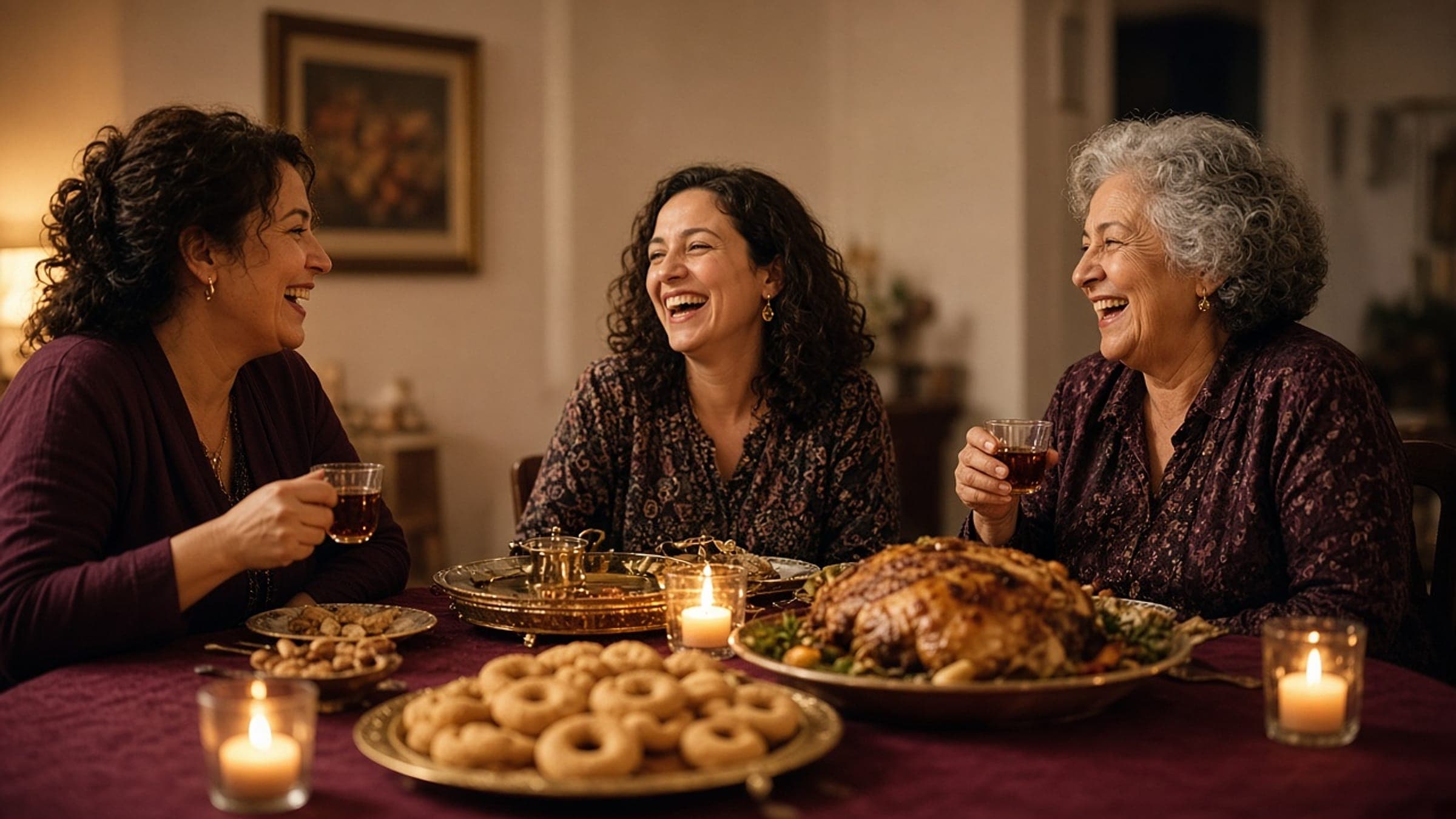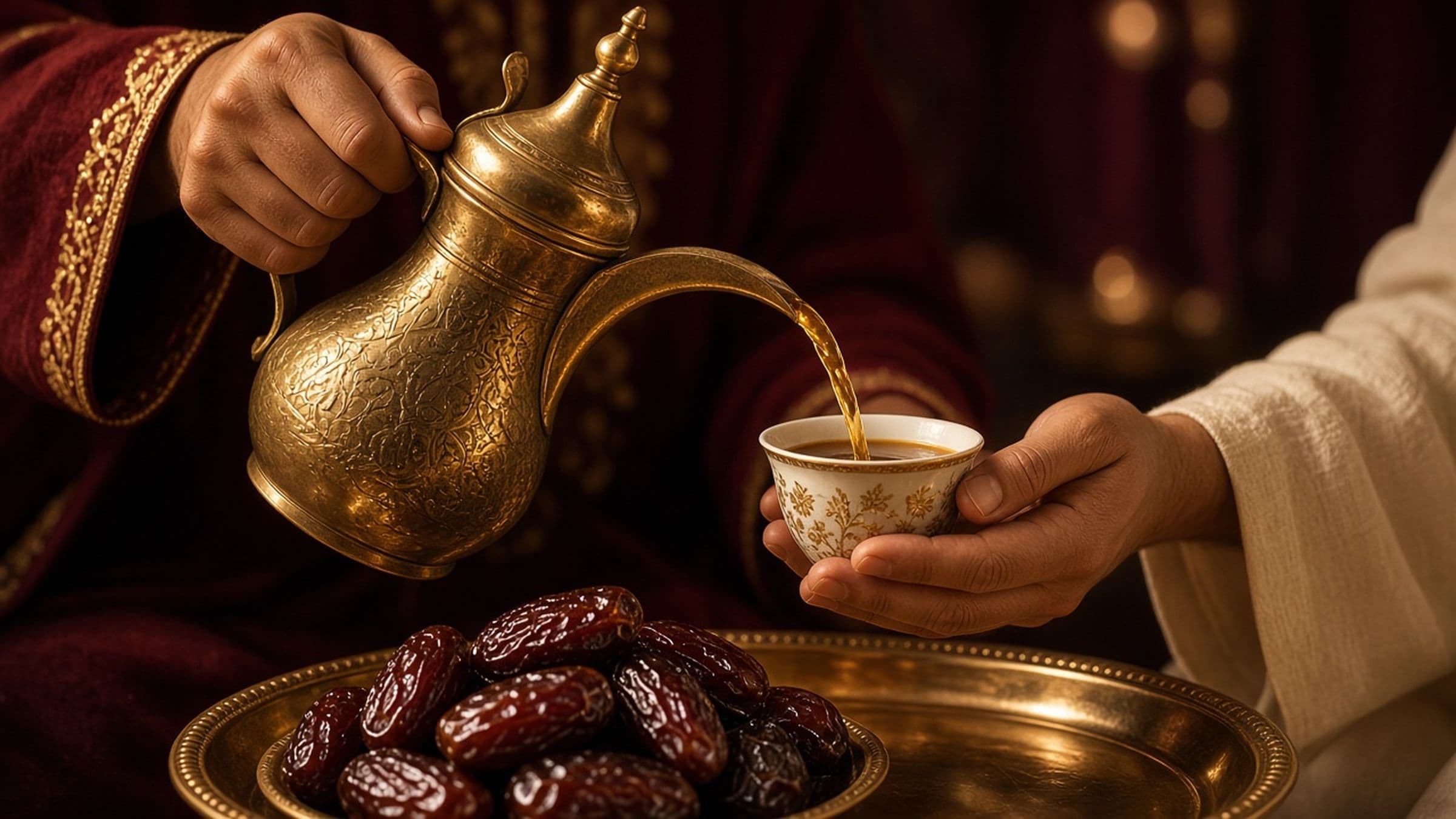
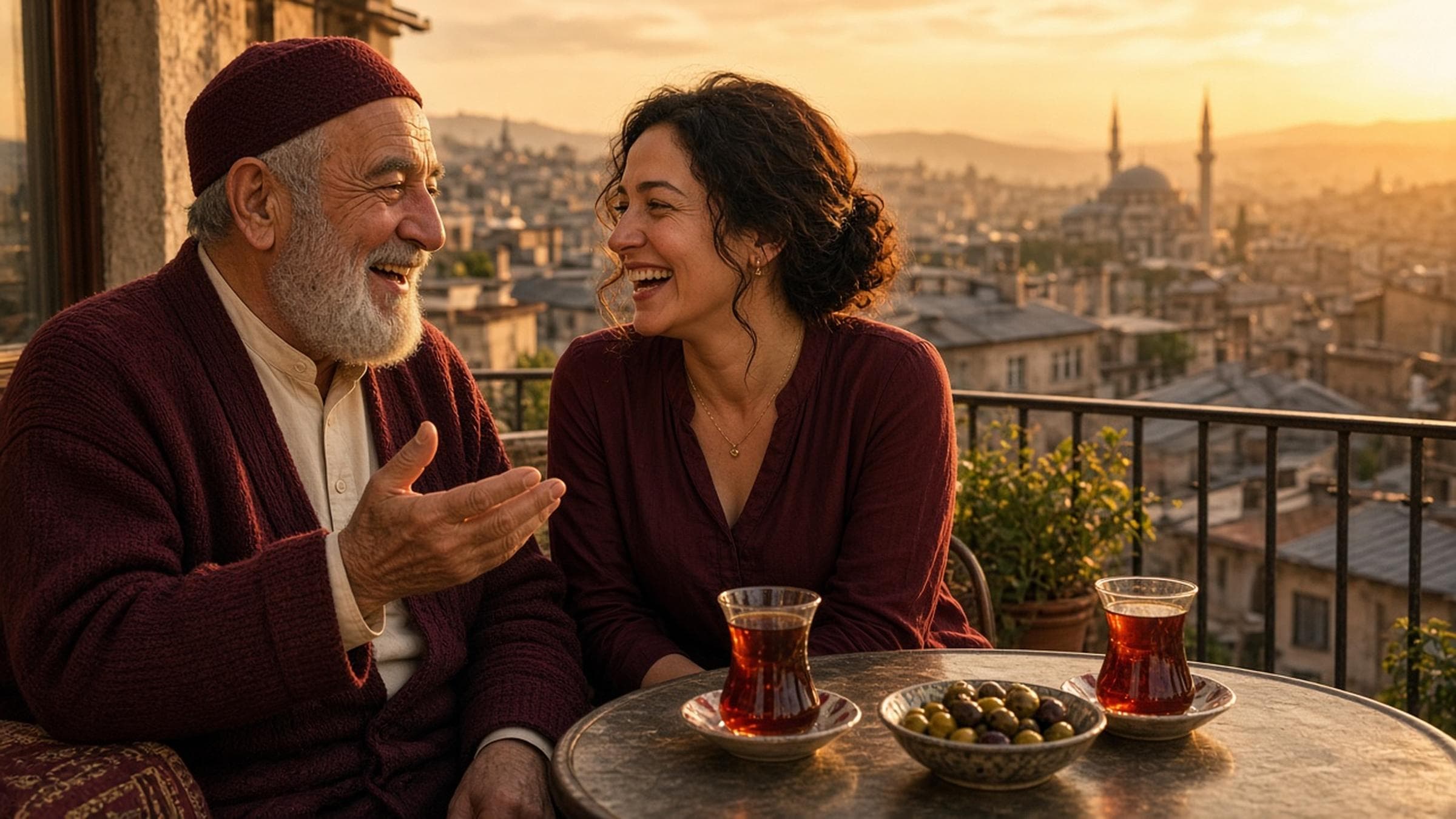
Every language has phrases that refuse to be translated neatly. Arabic has a treasure chest of them: blessings, jokes and proverbs that pack a whole attitude into a few syllables. Learn a handful and conversations get warmer, faster.
A quick note: expressions vary by dialect and family, and the versions below lean Egyptian and Levantine. Your teta might say it differently, and she's probably right.
1. The everyday all-stars
- Inshallah: "God willing." Used about anything in the future, from a job interview to dinner plans. Depending on tone, it can mean "definitely" or "let's see." The meaning and everyday uses of inshallah are worth a read; tone is everything.
- Yalla: "Let's go!" or "come on!" Possibly the most exported Arabic word on Earth.
- Mashallah: an expression of admiration and protection, often for good news, beauty or a baby who just did something impressive.
- Khalas: "Done," "enough," or "that's settled." Use with a decisive hand wave.
- Ma'alesh: "Never mind" or "no worries," the social lubricant of Egypt.
2. Expressions with a sense of humor
- "Bukra fil mishmish": literally "tomorrow, in apricot season." Apricot season is short, so it means "that'll never happen." Use it when someone promises to finally clean the garage.
- "Ala rasi": "on my head." A warm way to say "with pleasure, consider it done."
- "Tislam eedak/eedik": "bless your hand(s)." For cooks, helpers and anyone who passed you the bread.
3. Proverbs that travel
Proverbs (amthal) appear in conversations, songs and family arguments across the Arab world. A few beloved, widely shared examples, in loose translation:
- "Al-jar qabl ad-dar": "The neighbor before the house." Choose your neighbors before your home.
- "Illi faat maat": "What's passed is dead." Let bygones be bygones.
- "Kul ta'kheera fiha kheera": "Every delay holds some good." Perfect for flight delays and slow buses.
Exact wording shifts by region, which is part of the fun. Ask an elder for their version and you'll often get a story with it.
4. Why expressions matter for learners
Grammar gets you understood. Expressions get you liked. They show you're listening to how people actually talk, not just to the textbook. They're also a lovely bridge for heritage speakers who understand far more than they say. The UN even sets aside 18 December as Arabic Language Day, a good excuse to try a new one.
5. How to practice
Pick one expression a week and use it for real. Midan's Phrase of the Day gives you English–Egyptian Arabic phrases with pronunciation and examples. Hear them in context while running through Cairo in Habibi Dash, then try them out loud with a Tutor.
Yalla, your turn
Learn one expression and you'll start hearing it everywhere. Learn ten and people will start asking where your family is from.
If you'd like to keep exploring, Midan Shady Sphere offers a free 3-day trial plus Habibi Dash Chapter 1 (all of Cairo, levels 1–3). The full club, including Holiday Kitchen, Phrase of the Day, Diyafa, Sufra, Tutor and Field Trips, is $15/month or $150/year. Start with a phrase whenever you're ready.