A market is more than a place to buy things. It is where neighbors catch up, where a shopkeeper remembers how you take your coffee, and where you somehow leave with three things you didn't plan to buy and one you actually needed.
Across the Arab world, the souq (also spelled souk) has been a center of city life for centuries. But there is no single "Arab market," just as there is no single Arab culture. A covered lane in Damascus, a Cairo bazaar full of workshops, and a lively square in Marrakesh each have their own rhythm, dialect and manners. And in the U.S., that same spirit shows up in Arab American groceries, bakeries and corner stores. Here are some practical ways to enjoy them, with respect and a little humor.
1. Know that every souq has its own personality
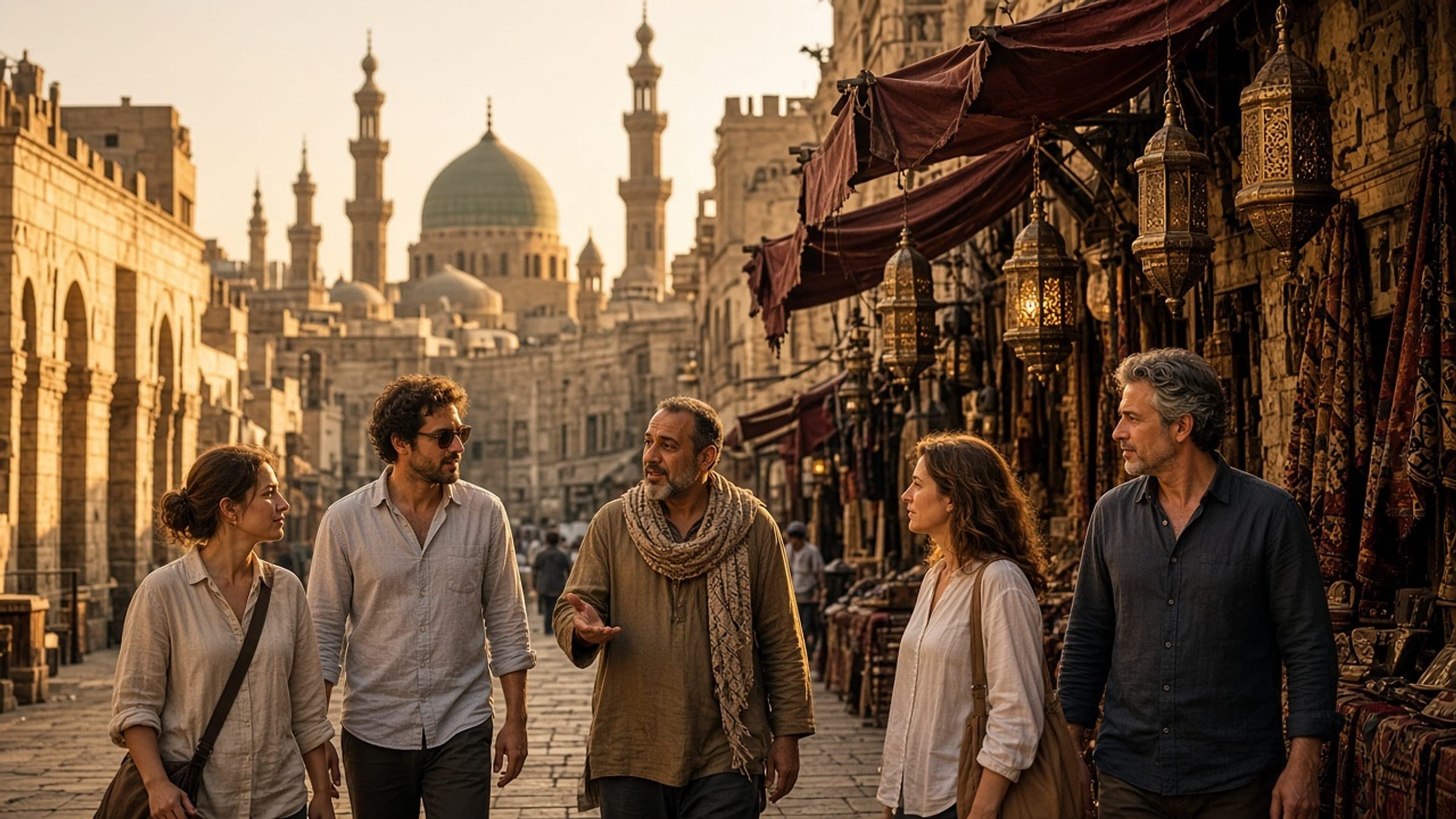
Some markets are famous landmarks. Khan el-Khalili in Cairo began as a trading center in the Mamluk era and is still home to artisans and workshops as well as visitors. It sits within Historic Cairo, a UNESCO World Heritage site. In Syria, the Al-Hamidiyah Souq runs through the old walled city of the Ancient City of Damascus, under a tall metal arched roof, ending near the Umayyad Mosque.
In Morocco, UNESCO recognizes Jemaa el-Fna Square in Marrakesh as Intangible Cultural Heritage, a cultural space known for storytellers, musicians and performers as much as for shopping.
The tip: before you go, read a little about the specific place. A market's history tells you what it's proud of, whether that's copperwork, textiles, spices or street performance.
2. Learn a few market phrases (and a smile)
You don't need fluency to shop kindly. A few words go a long way, though they differ by dialect. In Egyptian Arabic you'll often hear:
- Bikam da? "How much is this?"
- Shukran "Thank you."
- Ma'a salama "Goodbye" (literally "with safety").
In other regions you may hear different words and pronunciations, so treat these as a starting point. If you mix in English, that's normal; markets are some of the most multilingual places on earth. Midan's Phrase of the Day is an easy way to collect one useful expression at a time, with pronunciation help.
3. Bargaining: a conversation, not a battle
In many traditional markets, prices on some goods are open to friendly negotiation. In others, especially food stalls and modern shops, the price is simply the price. Watch what locals do before you start.
If bargaining is expected, keep it warm. Ask the price, show real interest, offer a fair counter, and be ready to smile and walk away politely if it doesn't work out. Never haggle for sport over something you don't intend to buy, and remember that a small difference to you may matter a lot to the seller. The best deal is often the one where both people are still laughing at the end.
4. Expect hospitality, and know how to accept it
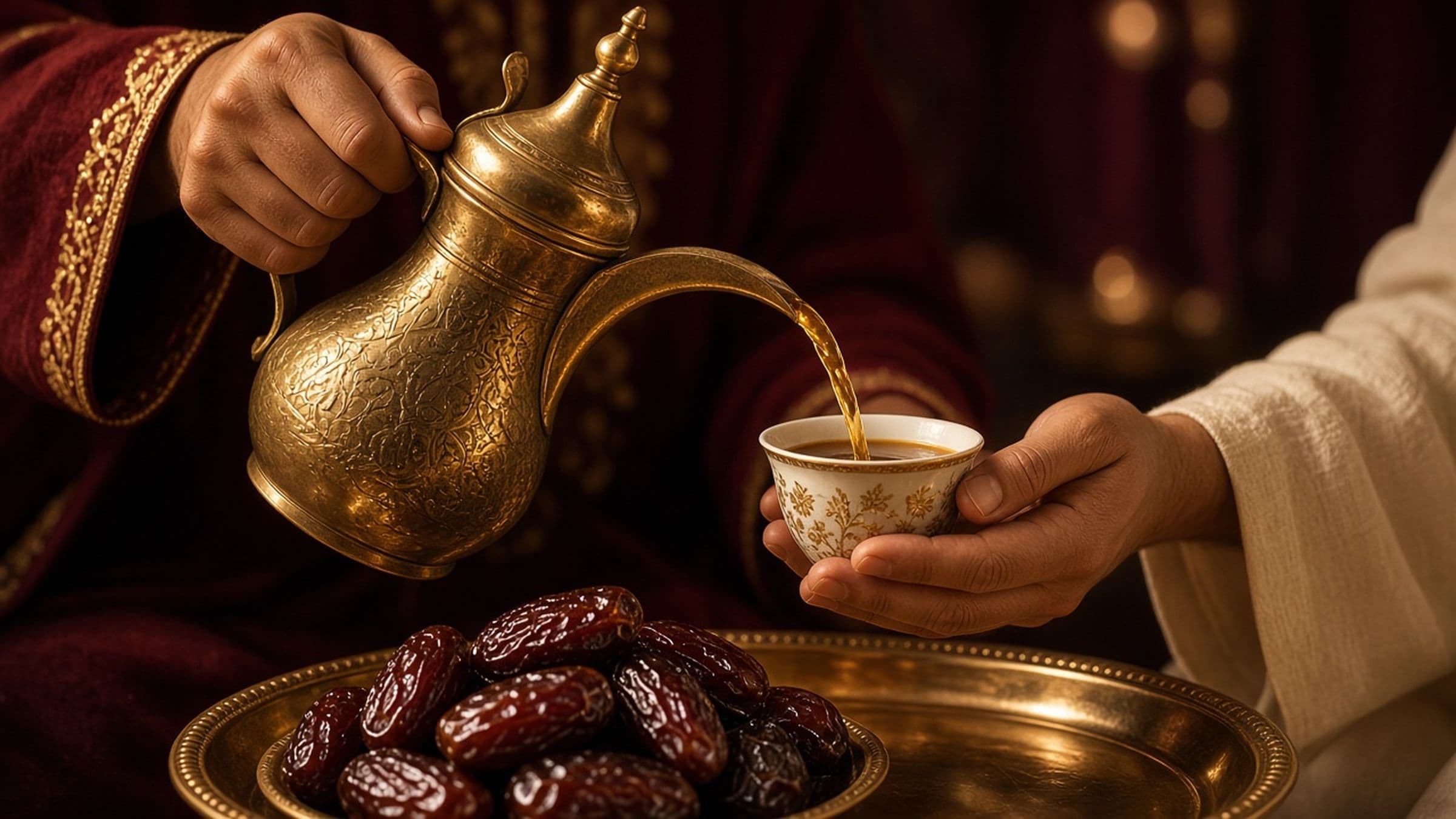
In some shops, especially those selling carpets, lamps or textiles, you might be offered tea or coffee while you browse. It's often a genuine gesture of welcome, and accepting doesn't automatically mean you owe a purchase. A sincere "shukran" and a bit of conversation are part of the exchange.
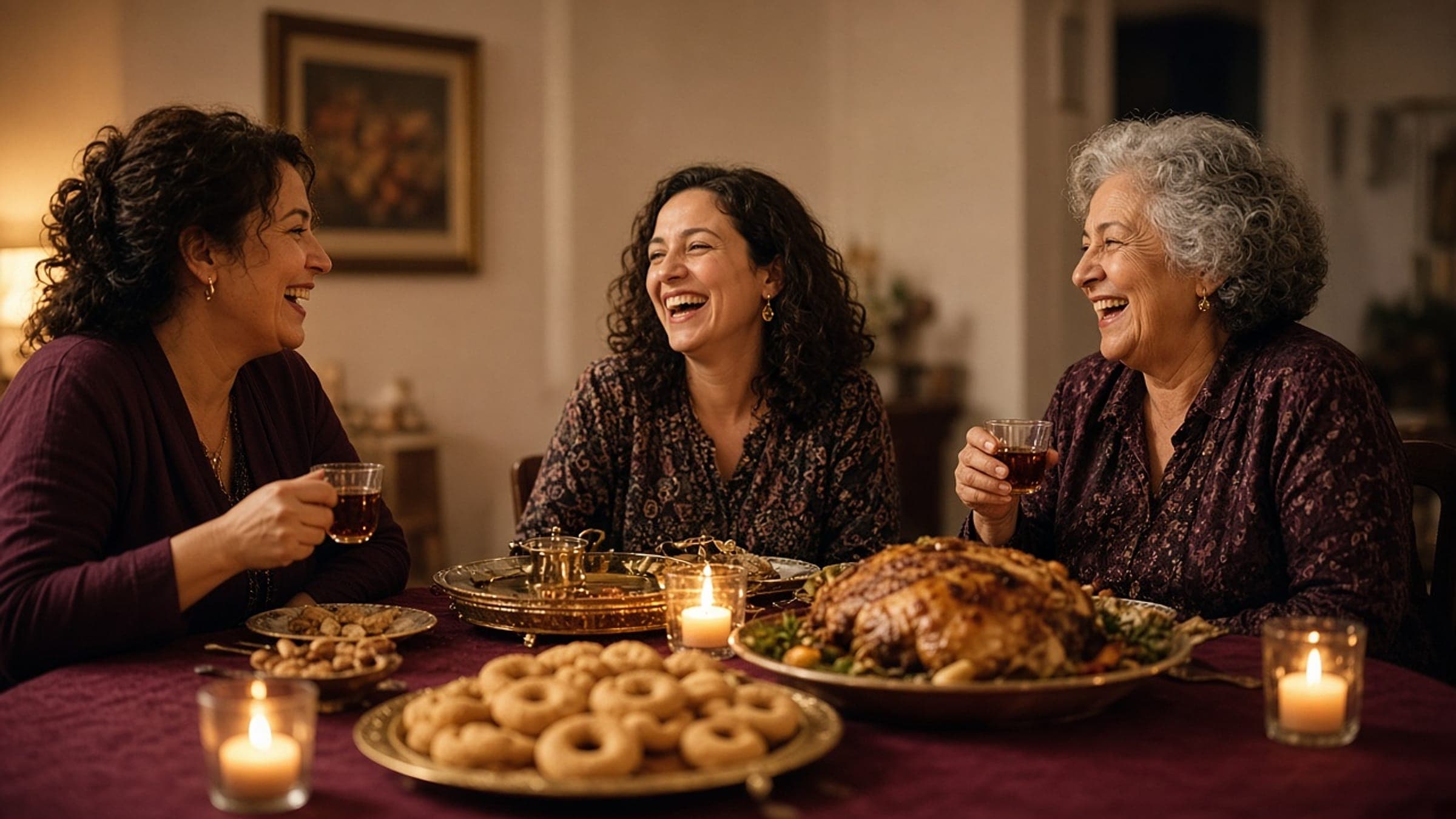
That instinct to welcome a guest is something we explore in Midan's guide to Diyafa, the Arab tradition of hospitality. It's the same spirit you'll find at a family table, just with more brass lanterns nearby.
5. Shop with your senses, and buy for the table
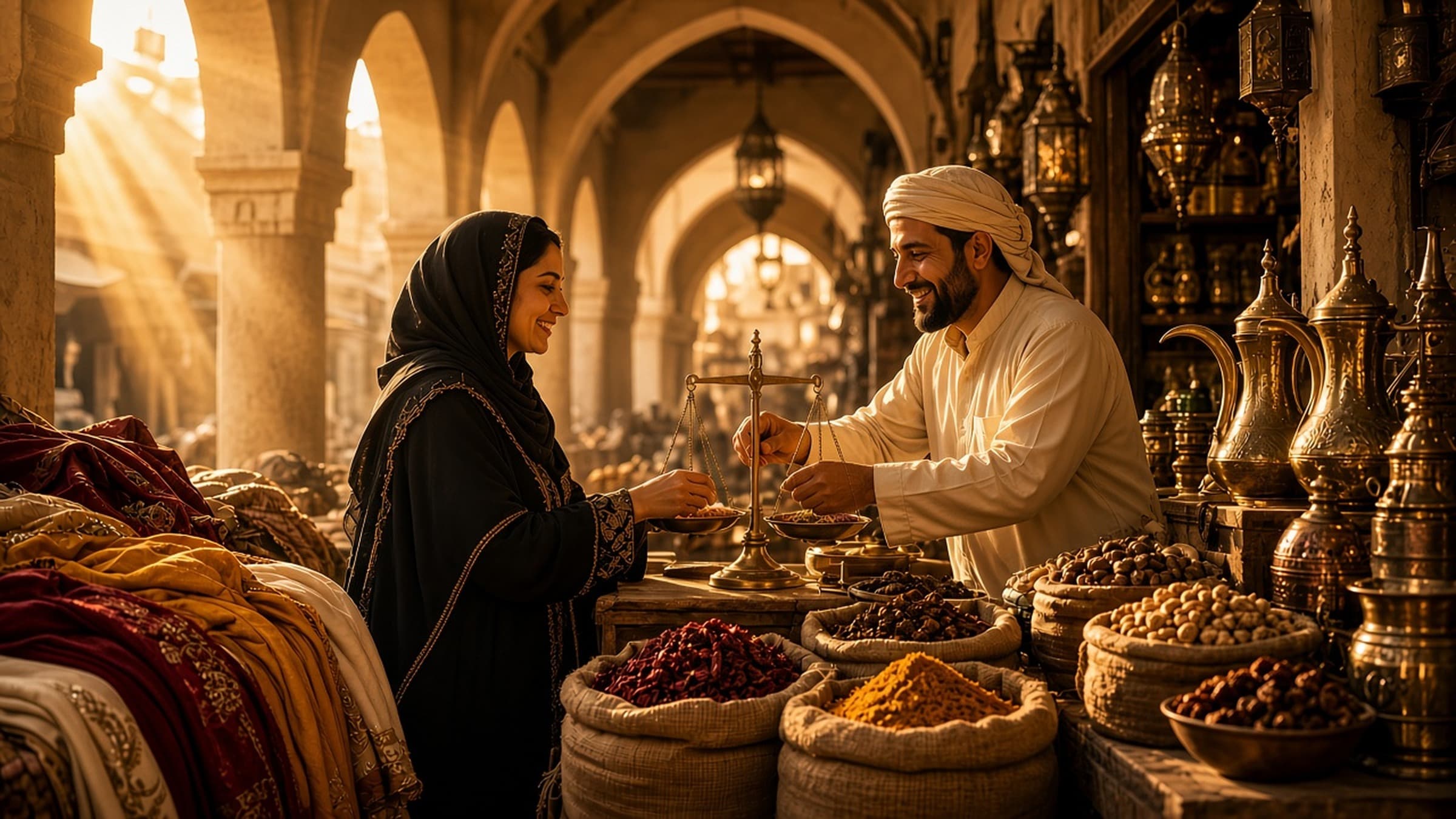
The spice stall is where markets really come alive: sumac, cumin, za'atar, dried rose, piles of dates and nuts. Ask what a blend is used for, and you might get a recipe, a family story and a strong opinion about the right amount of garlic.
Buy small amounts so they stay fresh, and ask how to store them. Then take them home and cook. Midan's Holiday Kitchen pairs recipes with their seasonal and cultural context, and Sufra brings the shared-table spirit to everyday meals.
6. Find the souq spirit in Arab America
Arab American markets have deep roots. In New York, Little Syria in Lower Manhattan, from the late 1880s to the 1940s, was the center of the city's first community of Arabic-speaking immigrants, and it was never exclusively Arab; Irish, German and other immigrant families lived there too. The Arab American National Museum in Dearborn, Michigan, is a great place to learn more about these community stories.
Today, the market spirit lives in Arab American groceries, bakeries and many neighborhood corner stores. New York's famous bodegas are run by owners from many different backgrounds, so don't assume anyone's story, but do say hello. The corner store that knows your usual order, keeps the cat on the counter and asks about your mother is, in its own way, a little souq on the block.
7. Be a respectful guest everywhere
A few simple habits make any market better:
- Ask before photographing people or their stalls.
- Dress with the setting in mind, especially near religious sites.
- Carry small bills or coins, since not every stall takes cards.
- Be patient with crowds. Busy markets have their own flow; go with it.
- Support artisans when you can, and ask who made what you're buying.
Bring the market home
Markets teach us that culture is lived out loud: in greetings, bargaining, food and small daily kindnesses. If you'd like to practice the words before your next trip to the souq, or your corner store, Midan is here when you are. Try Midan free for 3 days, including Habibi Dash Chapter 1, a tour of all of Cairo across levels 1 to 3. If you enjoy it, membership is $15 a month or $150 a year. No pressure, just an open door, like a good shopkeeper.