There's a moment many people remember: a song playing in a relative's car or kitchen, a voice stretching one word for what feels like a full minute, and an adult nearby closing their eyes like the world just made sense. If you've wondered what was happening, this one's for you.
Arabic music isn't one sound. It covers classical traditions, regional folk styles, film soundtracks, wedding anthems and today's pop and hip-hop, across many countries and dialects. Here are a few easy ways in.
1. Start with the legends your family already argues about
Two names come up again and again. Umm Kulthum, the Egyptian singer whose long concert performances were a cultural event, and Fairuz, the Lebanese singer whose voice is often tied to quiet mornings and coffee. Many households have a strong opinion about which one belongs on in the morning and which one at night.
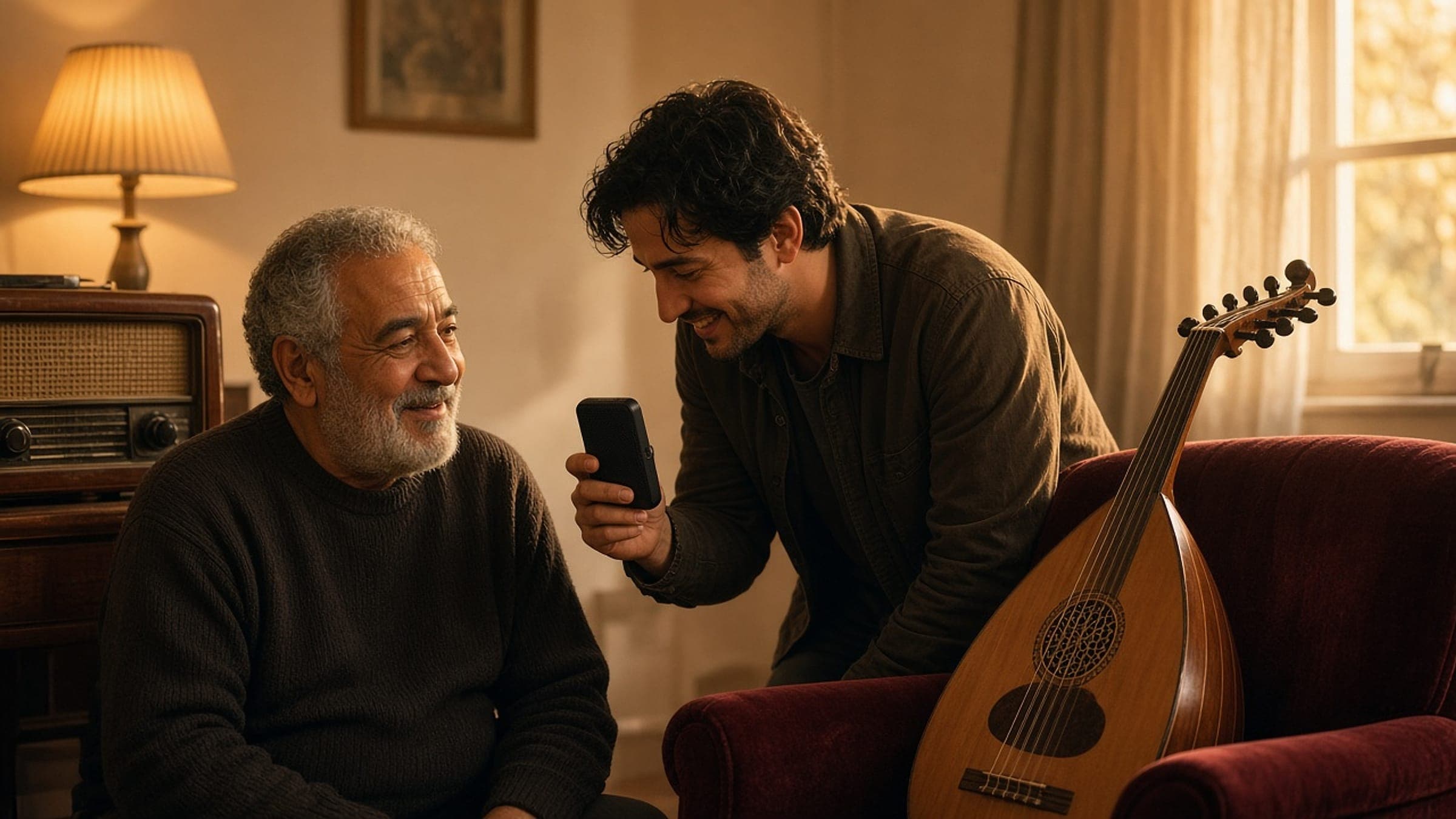
Ask an older relative which song they'd pick and why. You'll likely get a song recommendation and a story you hadn't heard.
2. Listen for the dialect
Songs are one of the best ways to hear regional Arabic in the wild. Egyptian, Lebanese, Iraqi, Gulf and Moroccan songs can sound very different, even when the themes (love, longing, home, someone who didn't call back) are the same.
Pick one song and look up a single line. Learn what it means, then sing it badly in the shower. Midan's Phrase of the Day can help with the everyday Egyptian Arabic that shows up in many classic and modern songs.
3. Don't skip the instruments
Part of the fun is learning what you're hearing: the oud (a short-necked lute), the qanun (a plucked zither), the ney (a reed flute) and the darbuka (a goblet drum). Once you can name them, you'll start spotting them in modern pop tracks too.
4. Build a two-language playlist
Many Arab Americans grew up switching between radio stations the way they switch between languages. Lean into it. Make a playlist that alternates an Arabic song with an English one you love, and notice what they share.
Midan Fusion is built for this: share a song in the language you grew up with, the one you're learning, or both, and hear what other members bring.
5. Remember: music is a social event
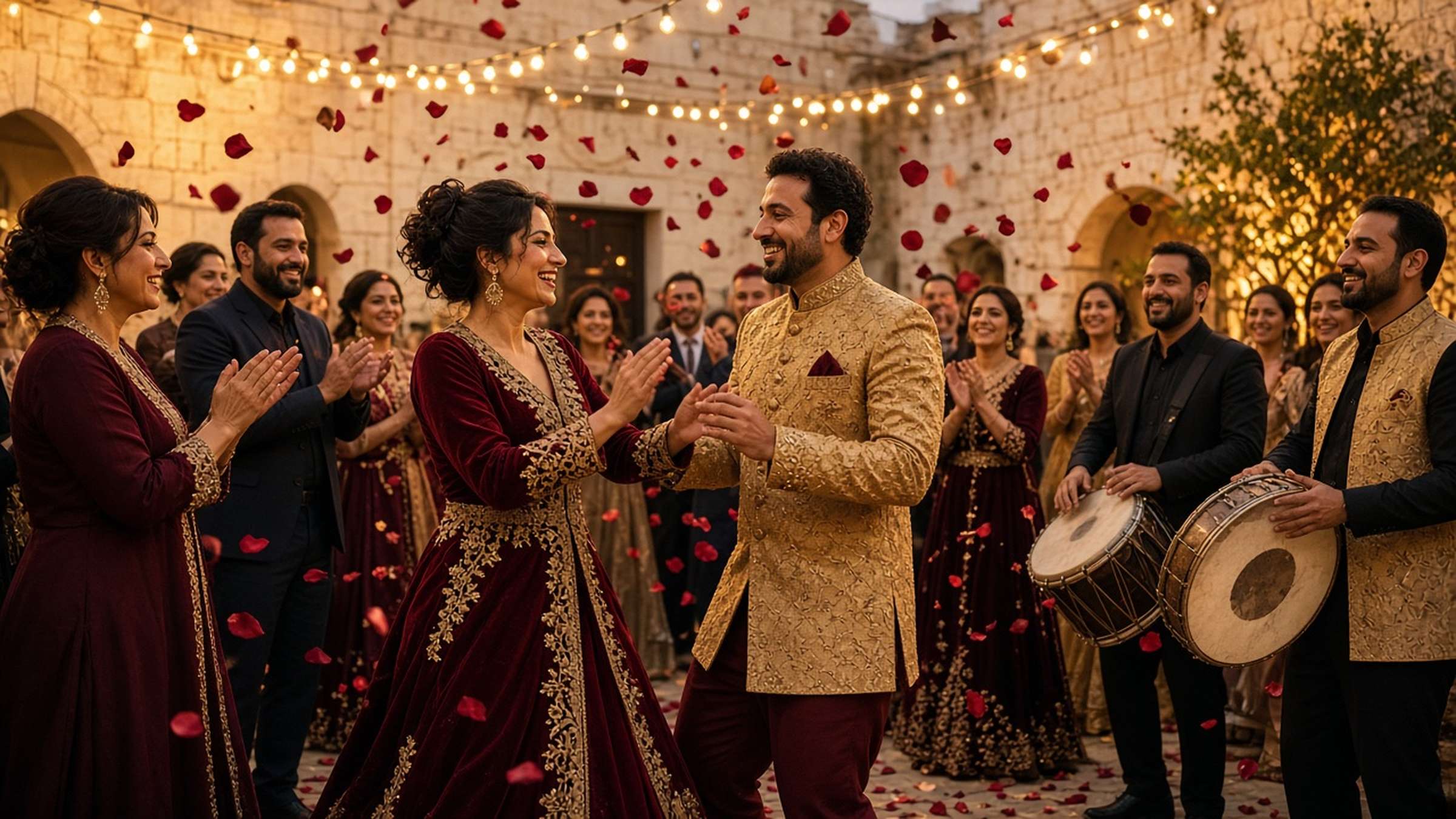
At weddings, holidays and family parties, music usually means dancing, clapping and someone's uncle requesting the same song four times. Customs differ by region and family, so follow the room. If you're a guest, joining in respectfully is usually welcome.
For a deeper dive, club Field Trips and the Passport Wheel make it easy to explore music from places you haven't visited yet, and Tutor can help you understand lyrics you've been mumbling for years.
Press play
You don't need to understand every word to feel a song. But learning a few lines can turn background music into something you share with the people who love it.
Further reading
- The Voice of Egypt by Virginia Danielson. The definitive, very readable story of Umm Kulthum and how one voice came to carry a whole nation's twentieth century.
Some links are affiliate links; Midan may earn a small commission at no cost to you. Learn more.
Midan Shady Sphere offers a free 3-day trial plus Habibi Dash Chapter 1, set in Cairo. The full club, including Midan Fusion, Phrase of the Day, Tutor, Field Trips and the Passport Wheel, is $15/month or $150/year. Take a listen around whenever you're ready.